

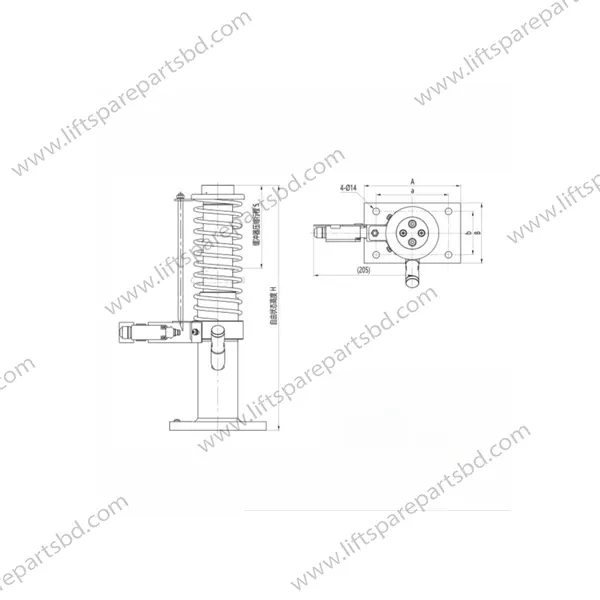
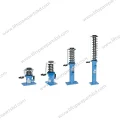
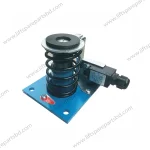
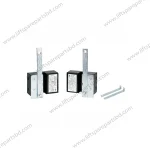
Lift Hydraulic Buffer For OH-65, OH-80A, OH-275, OH-425
Features:
- Working Medium: Hydraulic oil
- Function: Shock absorption and emergency stopping
- Installation Location: Elevator shaft bottom pit
- Material: High-strength steel body
- Application: Passenger and freight elevators
- Safety Feature: Controlled hydraulic damping
Lift Hydraulic Buffer – Advanced Safety Protection for Modern Elevator Systems
A safe elevator system needs more than smooth movement. It also needs reliable protection during emergency situations. Without a proper buffering system, sudden impact at the bottom of the shaft can damage the elevator and create serious safety risks.
The Lift Hydraulic Buffer is designed to absorb impact energy and provide controlled stopping during emergency elevator travel. Using hydraulic oil technology, it reduces shock force and protects both passengers and elevator components.
It is one of the most important safety devices used in modern lift systems.
Key Features of Lift Hydraulic Buffer
I. Powerful Shock Absorption
- Absorbs high-impact energy during emergency stops
- Reduces sudden force on elevator cabins
- Provides smooth deceleration performance
II. Hydraulic Oil Technology
- Uses oil pressure for controlled damping
- Ensures stable stopping action
- Improves overall lift safety performance
III. Heavy-Duty Construction
- Built with strong steel material
- Resistant to pressure and wear
- Suitable for long-term operation
IV. Reliable Emergency Performance
- Performs under high-speed conditions
- Provides consistent buffering action
- Trusted for passenger and freight elevators
V. Long Service Life
- Durable internal hydraulic system
- Designed for repeated emergency use
- Requires minimal maintenance with proper inspection
Applications
The Lift Hydraulic Buffer is widely used in different elevator environments.
1. Residential Elevators
Protects home lift systems during emergency conditions.
2. Commercial Buildings
Used in shopping malls, offices, and hotels for passenger safety.
3. Industrial Elevators
Handles high-load elevator impact protection.
4. High-Speed Elevators
Supports smooth emergency stopping in tall buildings.
5. Elevator Modernization Projects
Ideal for upgrading old elevator safety systems.
Benefits of Using Lift Hydraulic Buffer
I. Enhanced Passenger Protection
Reduces injury risk during sudden elevator stops.
II. Controlled Impact Management
Hydraulic damping ensures smooth energy absorption.
III. Protects Elevator Components
Prevents damage to cabin, rails, and pit structure.
IV. Stable Safety Performance
Reliable under heavy loads and continuous operation.
V. Compliance with Elevator Safety Standards
Supports modern lift safety requirements.
Why Lift Hydraulic Buffer Is Important
The hydraulic buffer acts as the final safety barrier in an elevator system. If other systems fail, it safely absorbs impact and controls cabin stopping force.
Industry professionals prefer hydraulic buffers because they offer:
- High impact resistance
- Reliable hydraulic control
- Long-term durability
- Stable emergency protection
It is an essential component for safe and efficient elevator operation.
Frequently Asked Questions (FAQ)
Q. What is a lift hydraulic buffer?
It is a hydraulic safety device that absorbs impact energy during elevator emergency stops.
Q. Where is it installed?
It is installed at the bottom of the elevator shaft (pit area).
Q. How does a hydraulic buffer work?
It uses hydraulic oil pressure to slow down and cushion the elevator cabin during impact.
Q. Is it suitable for all elevators?
Yes. It is commonly used in residential, commercial, freight, and industrial elevators.
Q. Does it require maintenance?
Yes. Regular inspection helps maintain safe hydraulic performance.
The Lift Hydraulic Buffer is a critical elevator safety component designed for reliable shock absorption and controlled emergency stopping. Its hydraulic damping system, durable construction, and stable performance make it ideal for modern lift applications.
Choosing a quality hydraulic buffer improves passenger safety, protects elevator equipment, and ensures long-term operational reliability.


