
Blog
How to Choose the Right Elevator Spare Parts Supplier: Cost-Saving Tips for Building Owners and Ensure Long-Term Reliability

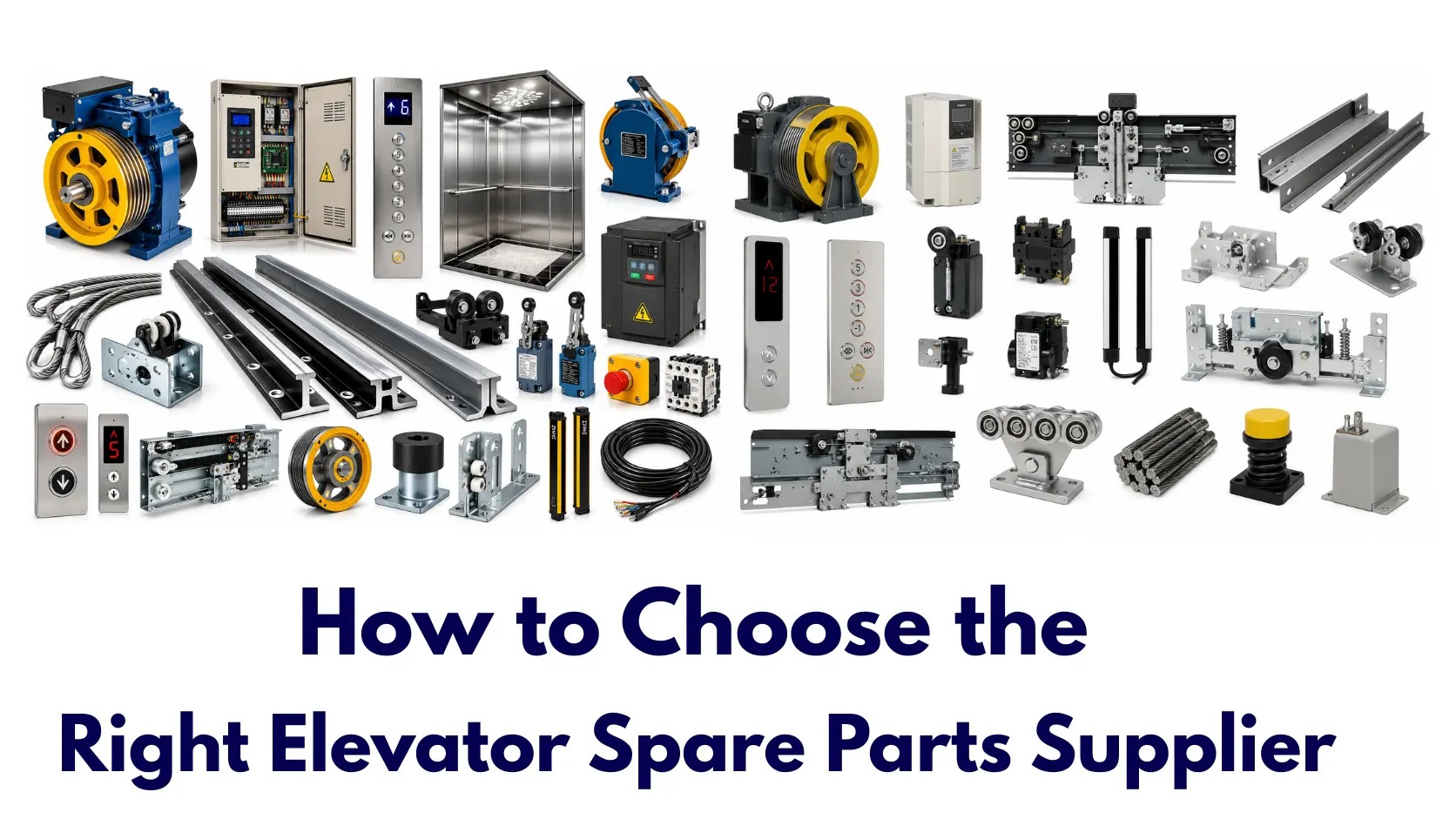
An elevator is only as reliable as the spare parts behind it. Many building owners invest heavily in elevator systems but overlook one critical factor—the quality of their elevator spare parts supplier. Choosing the wrong supplier can lead to frequent breakdowns, higher maintenance costs, longer downtime, and even passenger safety risks.
Whether you manage a residential apartment, commercial building, hospital, shopping mall, or industrial facility, selecting a reliable elevator spare parts supplier is essential for long-term performance and cost savings.
This guide explains how to choose the right elevator spare parts supplier, what factors to evaluate, and how to avoid costly mistakes when purchasing lift spare parts.
Why Choosing the Right Elevator Spare Parts Supplier Matters
Elevator components work together to ensure smooth, safe, and efficient operation. A low-quality controller, faulty door operator, or incompatible safety component can affect the entire system. A trusted elevator spare parts supplier helps you:
- Reduce maintenance costs
- Minimize elevator downtime
- Improve passenger safety
- Extend equipment lifespan
- Ensure compatibility with existing systems
- Access technical support when needed
Simply put, the right supplier becomes a long-term partner, not just a vendor.
Key Features to Look for in an Elevator Spare Parts Supplier
1. Genuine and High-Quality Elevator Spare Parts
Quality should always be the first consideration. Reliable suppliers offer:
- Genuine elevator spare parts
- OEM-compatible components
- Certified products
- Manufacturer-backed warranties
Common products include:
- Elevator controllers
- Door operators
- Traction motors
- Guide rails
- Safety gears
- ARD systems
- Elevator sensors
- VVVF drives
Always ask for product specifications, certifications, and warranty details before purchasing.
2. Industry Experience and Technical Expertise
Experience matters. An established supplier understands:
- Elevator system requirements
- Product compatibility
- Technical troubleshooting
- Spare parts sourcing
Experienced suppliers can recommend the right component for specific elevator brands and models.
Questions to Ask
- How many years have you been in business?
- Which elevator brands do you support?
- Do you provide technical consultation?
3. Product Availability and Inventory Management
When an elevator stops working, time matters.
A reliable supplier should maintain sufficient inventory for commonly used components.
Benefits of Strong Inventory Management
- Faster delivery
- Reduced downtime
- Emergency spare parts availability
- Faster repair completion
This is especially important for commercial and high-rise buildings.
4. Compatibility with Different Elevator Brands
Not all spare parts are universal.
Your supplier should verify compatibility with:
- Passenger elevators
- Freight elevators
- Hospital elevators
- Home lifts
- Escalators
Brand compatibility prevents installation issues and system failures.
5. Warranty and Product Guarantee
A reputable supplier stands behind their products.
Look For
- Product warranty
- Replacement policy
- Manufacturer support
- Quality guarantees
Warranty coverage reduces financial risk and demonstrates confidence in product quality.
6. Technical Support and After-Sales Service
Good service does not end after delivery.
Choose a supplier that provides:
- Technical assistance
- Installation guidance
- Troubleshooting support
- Product documentation
Strong after-sales support helps resolve issues quickly and efficiently.
7. Delivery Speed and Logistics Capability
Fast delivery is critical when elevators experience unexpected failures.
A dependable supplier should offer the following:
- Quick order processing
- Nationwide delivery
- Emergency shipment options
- Consistent lead times
Reliable logistics reduce service interruptions.
8. Competitive Pricing Without Sacrificing Quality
The lowest price is not always the best value.
Cheap components often result in:
- Frequent failures
- Increased repairs
- Higher maintenance costs
- Reduced equipment lifespan
Focus on total ownership cost rather than purchase price alone.
The Hidden Cost of Choosing the Wrong Elevator Spare Parts Supplier
Many buyers focus only on price. This often leads to expensive consequences.
I. Frequent Elevator Breakdowns
Low-quality parts wear out faster and increase maintenance frequency.
II. Higher Maintenance Costs
Repeated repairs can cost significantly more than purchasing quality parts initially.
III. Increased Downtime
Building occupants expect reliable elevator service. Downtime affects convenience, productivity, and customer satisfaction.
IV. Safety Concerns
Faulty safety components can increase operational risks.
V. Shorter Equipment Lifespan
Poor-quality spare parts place additional stress on elevator systems.
OEM vs Aftermarket Elevator Spare Parts
| Feature | OEM Parts | Aftermarket Parts |
|---|---|---|
| Quality Consistency | High | Varies |
| Compatibility | Excellent | Depends on Supplier |
| Warranty Coverage | Strong | Limited |
| Initial Cost | Higher | Lower |
| Long-Term Reliability | Excellent | Moderate |
For critical components such as controllers, safety gears, and traction systems, OEM or high-quality OEM-compatible parts are recommended.
Application: Who Needs a Reliable Elevator Spare Parts Supplier?
Choosing the right supplier benefits various industries.
I. Residential Apartments
Reliable spare parts reduce resident complaints and unexpected outages.
II. Commercial Buildings
Maintain smooth elevator operation and tenant satisfaction.
III. Hospitals
Ensure uninterrupted transportation for patients, staff, and equipment.
IV. Hotels
Deliver a premium guest experience through dependable elevator performance.
V. Shopping Malls
Support high passenger traffic and minimize operational disruptions.
V. Industrial Facilities
Maintain efficient freight and service elevator operation.
Frequently Asked Questions (FAQ)
Q. How do I choose the right elevator spare parts supplier?
Choose a supplier with proven industry experience, genuine products, strong technical support, inventory availability, warranty coverage, and reliable after-sales service.
Q. Why are genuine elevator spare parts important?
Genuine elevator spare parts provide better compatibility, reliability, safety, and longer service life compared to low-quality alternatives.
Q. What should I look for in an elevator spare parts supplier?
Look for product quality, technical expertise, warranty support, inventory availability, delivery speed, and supplier reputation.
Q. Are OEM elevator spare parts better than aftermarket parts?
OEM parts generally offer better compatibility, quality assurance, and reliability. However, high-quality OEM-compatible parts can also provide excellent performance.
Q. How can I verify the authenticity of elevator spare parts?
Check manufacturer documentation, serial numbers, certifications, and warranty information, and purchase only from reputable suppliers.
Q. What are the risks of buying cheap elevator spare parts?
Cheap parts may cause frequent breakdowns, higher maintenance costs, shorter equipment lifespan, and potential safety concerns.
Q. Why is inventory availability important?
A supplier with readily available inventory can provide faster delivery and reduce elevator downtime during repairs.
Choosing the right elevator spare parts supplier is not just about finding the lowest price. It is about ensuring safety, reliability, compatibility, and long-term value. A trusted supplier provides genuine elevator spare parts, technical expertise, responsive support, and dependable delivery. These factors help reduce maintenance costs, minimize downtime, and extend the life of your elevator system.
Before making a purchase, evaluate suppliers carefully, verify product authenticity, and focus on long-term performance rather than short-term savings.
Prepare a Complete Spare-Parts Enquiry
A supplier can check a component more accurately when the enquiry includes the lift brand, controller or machine model, full part number, clear nameplate and connector photographs, required quantity and delivery location. Do not rely on appearance or a shortened model name for safety-related or electronic components.
Browse the elevator parts catalogue, compare the main lift spare-parts categories, or submit the technical details. Installation and safety decisions should remain with a qualified lift professional and follow the manufacturer’s documentation.